



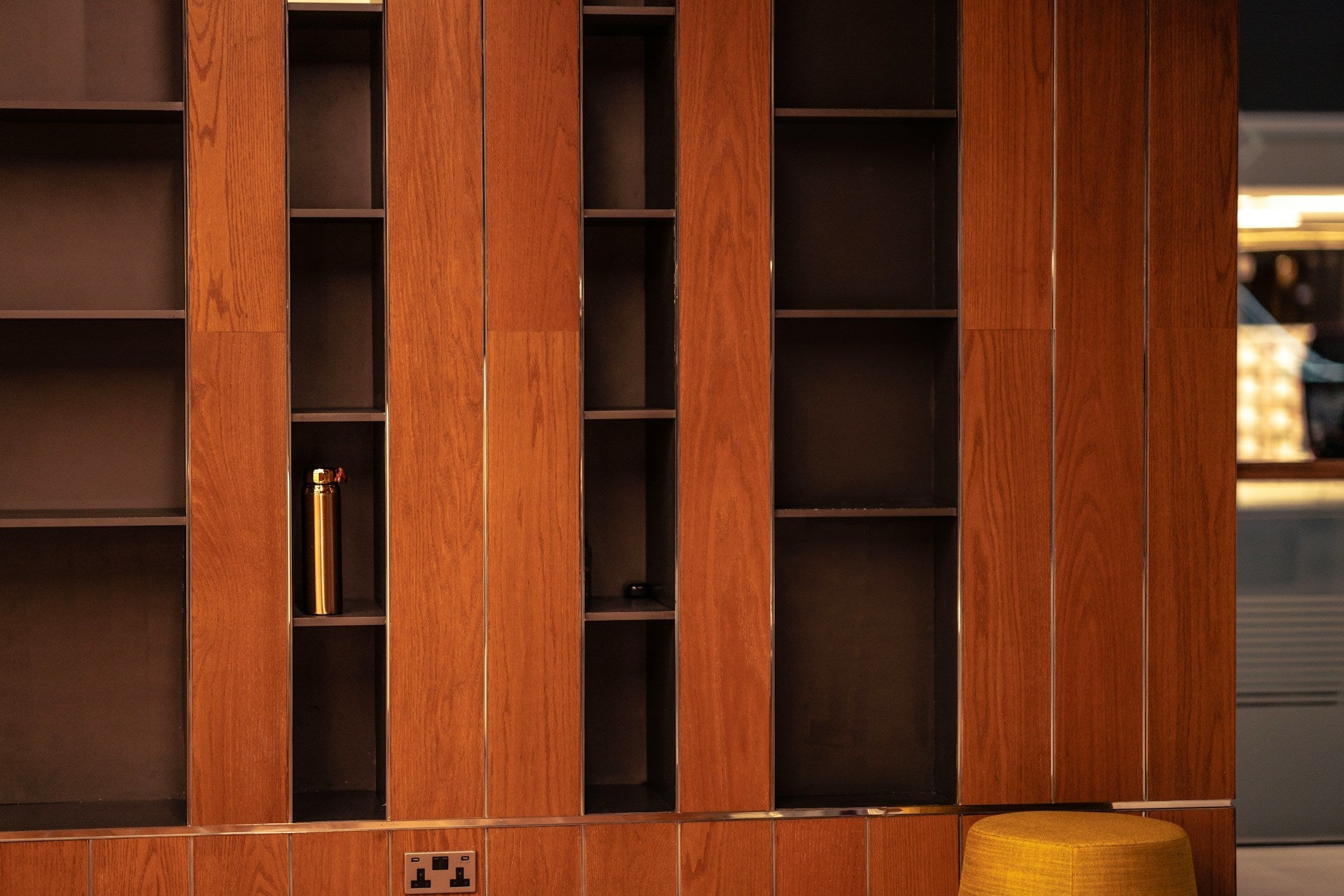
This time of year often calls for a quiet shift indoors. The busy pace of the holidays slows down, and we start to see our homes with new eyes. The light outside changes, colder days keep us in more often, and sometimes all it takes is a small adjustment to feel more grounded in our space.
That’s where floating mahogany shelves come in. They’re strong but simple, warm in tone, and easy to refresh from one season to the next. Instead of committing to a full room redo, adding a shelf gives you a place to change what you're seeing and how you feel in a space, without breaking up your routine.
Why Mahogany Works Well in Winter
As temperatures dip, we naturally look for softer textures, deeper tones, and quiet corners that make us feel at ease. Mahogany fits right into that rhythm. Its deep, rich color has a way of adding depth to a room without making it feel heavy.
Unlike lighter, cooler-toned woods, mahogany gives off a natural warmth that works well in winter. It’s both strong and clean-looking, which helps balance heavier seasonal items like candles, books, or mugs. Whether the room leans modern or more classic in style, that smooth finish blends in without clashing.
It’s one of those woods that doesn’t feel tied to any one aesthetic, so it can carry through different looks as preferences or seasons change. Each floating mahogany shelf from The Mortise & The Hare is made to order, cut and finished by hand using solid hardwood, and fully customizable to fit your space.
Picking Spaces That Benefit From Seasonal Swaps
Not every part of the home needs a refresh. But there are a few spots that tend to welcome it well, especially in winter when we spend more time indoors.
• Entryways: A shelf near the door helps organize cold-weather extras like gloves or keys while giving you space to display simple seasonal touches.
• Living rooms: This is usually where we gather most often, so adding a visual shift here does a lot. A well-placed shelf can hold framed art, pinecones, or even a vase of winter greenery.
• Kitchens: Open wall space near coffee stations or above counters makes a good home for wintry mugs, recipe cards, or small storage jars.
Keeping your changes visible makes them feel more impactful. When we walk by or see something often, that small update can lift the whole mood of a room.
Easy Decorating Ideas That Change With the Season
The trick to making a shelf work through each part of the year is keeping the updates light and easy. In winter, we lean into comfort. Decorations might be small, thoughtful touches that bring texture or scent into the room.
Some low-effort winter swaps include:
• A ceramic candle jar with a soft winter scent
• A handful of pinecones or small wooden bowls
• Stacks of dark-toned books or a seasonal mug
As you move toward spring, those items come down and get replaced with bits of greenery, lighter ceramics, or pastel-colored books. The point is that floating mahogany shelves create just enough of a base. They let your decor rotate without needing to buy new furniture or repaint walls.
With a solid and attractive foundation, those changes feel more intentional, a quiet refresh without too much fuss.
Tips for Keeping It Feeling Collected, Not Cluttered
It doesn’t take much for a shelf to go from styled to stuffed. That’s why we always follow a few simple ideas when changing things out with the seasons.
1. Stick to a clear palette. Pick two or three colors per season and repeat them in different objects.
2. Use odd-numbered groupings. Three or five items tend to look more balanced than even rows.
3. Leave space. Every item doesn’t need a partner. Open space helps the eye rest and gives your shelf room to breathe.
When shelves are staggered or paired on the wall, making sure they're spaced intentionally helps both with how it all looks and what those shelves can hold. Weight support is another thing we think through, especially in homes where people like mixing decor with practical items. In tighter rooms, having professional help is smart when planning where or how to install shelving.
Built to Last Through Changing Seasons
While wall colors and throw blankets might swap out with the months, shelving needs to be more consistent. Floating mahogany shelves hold up through all kinds of seasonal shifts. That includes small changes in temperature and humidity as heaters turn on or windows stay closed longer in winter.
They’re built in a way that holds strong no matter what gets placed on them or how the decor changes over the year. While some items look seasonal on their own, these shelves pull everything together without being tied to any specific moment.
Investing in something solid early on means we don’t need to re-measure or rework our setup every few months. They’re designed to do their job well all year, without drawing too much attention or fading into the background.
A Simple Way to Keep Your Space Fresh
This is the quiet stretch of the year when big design ideas can feel like too much. Making smaller updates with what already fits your space makes the whole process more doable. Floating mahogany shelves give you a way to shift the mood of a room, one object at a time.
They work for both function and appeal, holding everyday things while giving your decor a space to change with the season. That kind of flexibility is what makes a space feel more lived-in and less stressful as the days pass. With the right shelf in place, we can spot what feels good now, make simple swaps later, and keep moving forward without starting over.
Refreshing your home throughout the year is easy with just a few thoughtful updates, and adding shelves goes beyond storage by giving your favorite spaces the flexibility to evolve with your style. Our floating mahogany shelves bring natural warmth and versatility to any room, working beautifully in any season. At The Mortise & The Hare, we craft each piece with care to suit your lifestyle. Reach out anytime if you’d like guidance on selecting the right shelves for your space.
Share:
What to Know Before Picking Customizable Wood Shelves
Floating Shelf Load Ratings: Wall Type, Stud Spacing, and Bracket Design