


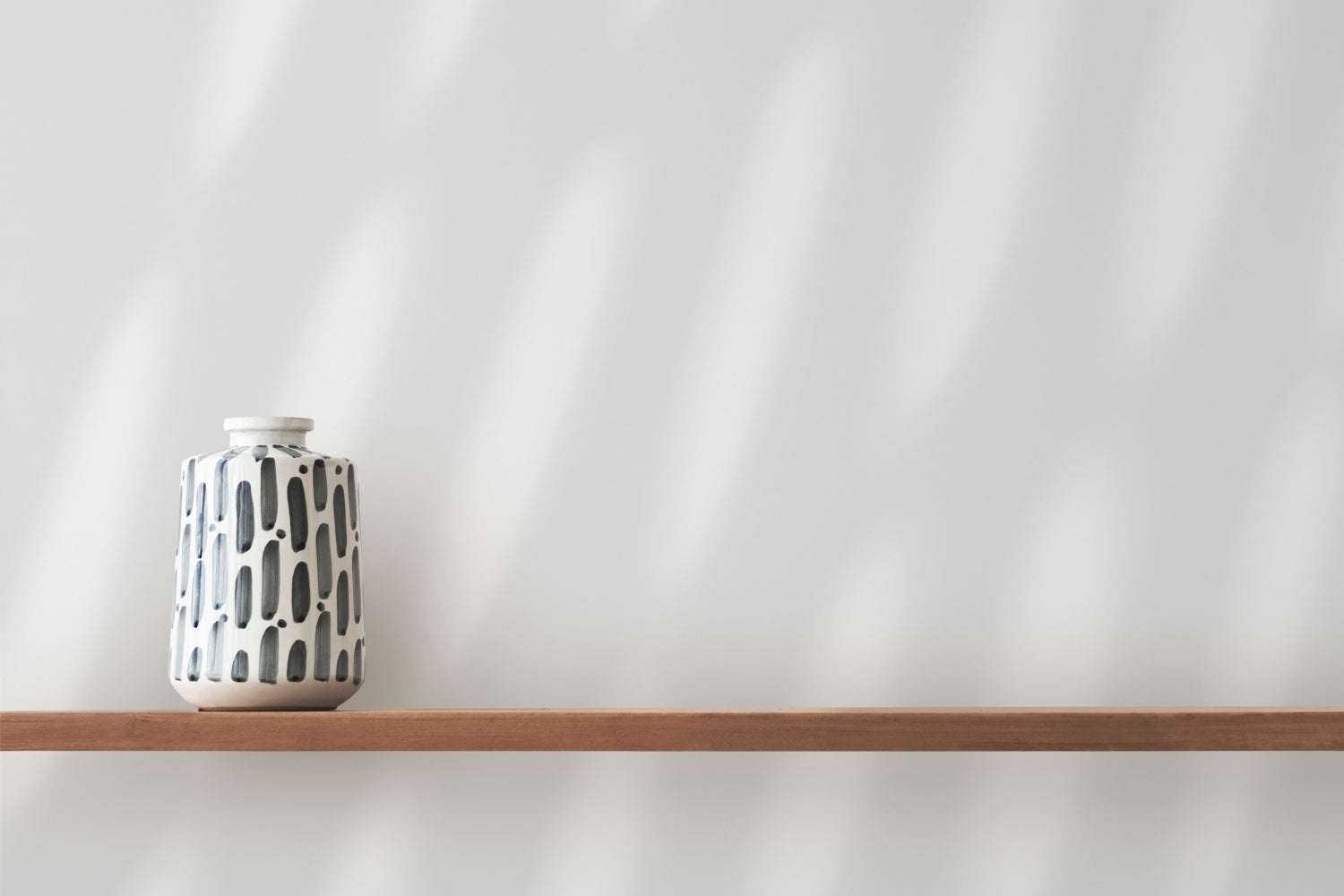
Designing Extra Long Floating Shelves for a Built-in Look
Extra-long floating shelves can make a plain wall feel finished, calm, and pulled together. When they are planned well, they can replace bulky cabinets, bookcases, and media units with a lighter look that still works hard in daily life.
In this guide, we will walk through how we think about long runs of shelving in our woodshop, from sizing and layout to wood choice, brackets, and finish. The goal is simple: shelves that look like they were always part of the house, stay level, and feel safe with real weight on them.
Built-in Magic with Extra Long Floating Shelves
A wall of continuous, solid wood shelving feels different from a small shelf tacked on in the middle of a blank space. When extra-long floating shelves stretch from one end of the wall to the other, they read more like custom built-ins than random pieces.
That long line of wood can often replace:
- Deep bookcases that crowd the room
- Big media consoles that fight with the TV
- Upper cabinets that make a kitchen feel top-heavy
The challenge shows up when you start loading those long shelves. Heavy books, stoneware, stacks of plates, or big planters all want to pull the front edge down. With most basic brackets, the shelf starts to sag, tilt, or feel wobbly.
From our side of the bench, we solve this two ways. First, we use solid American hardwood so the core material is strong and stable. Second, we pair that wood with the Hovr Bracket System so the structure inside the shelf matches the clean look outside it.
Planning Extra Long Runs for a Built-in Look
Before we mill a single board, we look at proportion and sightlines. A long shelf should feel like it belongs to the wall, not like it is barely hanging on.
Here are simple starting points we use:
- Shelf length: often close to the full wall width, with a few inches of breathing room at each end
- Height: lined up with window heads, door trim, or the top of nearby cabinets
- Stacking: two or three shelves, evenly spaced, usually feels calmer than a tall ladder of shelves
Function comes next. Depth matters a lot on extra-long floating shelves:
- Around 8 inches: good for smaller decor and glassware
- Around 9 to 10 inches: comfortable for most books
- Around 11 to 12 inches: better for dinnerware and deeper decor
On a long wall, it can help to think in zones. One stretch might hold books and a small desk area, another might frame a TV, another might become a display zone for art or pottery. Keeping shelf heights and depths consistent across those zones creates a true built-in feel.
Sometimes one continuous shelf is the right move. Other times, we break a wall into separate shelves or bays. Tight reveals, shared heights, and aligned end points keep those separate pieces reading as one system, not as random parts.
Choosing the Right Wood and Thickness
When we build extra-long floating shelves, we reach for solid American hardwoods that stay stable over time. White Oak, Walnut, and Cherry are the species we like for this kind of work.
Each has its own character:
- White Oak: strong, grainy, and great for light finishes or subtle color shifts
- Walnut: rich and warm, with a darker base tone that hides small dings well
- Cherry: starts warm and deepens in color as it lives in the room
Thickness is both style and structure. On long runs, 1.75 to 2.5 inches looks grounded and gives enough internal space to fully hide the Hovr Bracket System, Classic or Slim. Thin shelves across a big wall can feel weak. A thicker profile anchors the line of wood and balances the length.
Inside the shop, we spend time on board selection and layout. For extra-long shelves, we often build a glued-up panel instead of hunting for a single very wide board. A well-joined panel can be more stable, and if we match grain and color carefully, it still reads as one solid piece. We pay attention to how the grain flows along the length and how the end grain will look from the side.
How the Hovr Bracket Keeps Long Shelves From Sagging
The Hovr Bracket System is the quiet part of the design that makes extra-long floating shelves work in real life. It is made from 6063 T6 aircraft-grade aluminum and built as a male and female pair that interlock.
Here is how it works:
- The male bracket mounts across multiple studs on the wall
- The female bracket is embedded inside the shelf itself
- When you slide the shelf on, the two lock together
- A small set screw ties them into one rigid structure
Traditional two-prong rod brackets give the shelf a pivot point, so heavy weight over time often makes the shelf droop at the front. With Hovr, the interlocking shape removes that pivot. The shelf cannot tilt because it is tied to the full length of the wall bracket.
The Classic bracket at 8-inch depth is rated around 300 pounds, which gives a lot of comfort for full dinnerware stacks, dense book runs, or a busy family room where people lean on the shelves. Another nice detail, the bracket lets us catch studs wherever they are and still land the shelf exactly where it needs to go for the design.
Installation Details That Make Shelves Look Built In
Clean installation is where a good design either sings or falls apart. Extra-long floating shelves will show every flaw, so we start with layout and wall prep.
We mark a continuous level line across the wall, then find and map each stud that the Hovr bracket will cross. If the drywall is wavy or a corner is out of plumb, we deal with it at the bracket stage with careful shimming. The goal is a perfectly straight, flat mounting surface so the shelf can sit tight to the wall.
Picking Classic or Slim Hovr depends on shelf thickness and depth. Thicker, deeper shelves often get the Classic system. Thinner profiles may call for the Slim. We pair the bracket with proper screws for the load and lock everything in along the stud pattern.
Once the shelf is on the bracket, we use the set screw to pull the pieces snug. On tricky walls, a light scribe or a thin bead of caulk along the top edge can close tiny gaps. For multiple shelves, we pay close attention to reveals around fireplaces, cabinets, or window trim so the spacing feels like real built-in work.
Finishing Choices for a Seamless, Custom Look
A long, solid wood surface will catch a lot of light, so finish choice matters. Most of the time we like a clear, natural finish or oiling that lets the natural figure and color of the hardwood show through. A lower sheen, like matte or soft satin, keeps reflections calm across the full length.
White Oak gets special treatment. When someone wants a specific tone, a light stain can work well if it is tested on offcuts first. The key is to keep the grain alive, not muddy and flat. When White Oak shelves sit near White Oak floors, cabinets, or beams, we look at the whole room together so the tones sit in the same family.
Here in our region, we see strong summer light, especially in rooms with wide windows. On extra-long floating shelves, that light can highlight every ripple and scratch. A thoughtful finish and a simple care routine help the shelves age with grace, even with all the use they get.
As you look at that one long wall in your home or project, it might be ready to trade bulky furniture for a clean run of real wood. Extra-long floating shelves, built from solid American hardwood and anchored with the Hovr Bracket System, can bring that wall to life with a look that feels like it has always belonged there.
Get Started With Your Project Today
Bring your vision to life with our handcrafted extra-long floating shelves, carefully built to fit your space and your style. At The Mortise & The Hare, we work closely with you to choose the right hardwood, finish, and dimensions so your shelving feels intentional and lasting. If you have questions about sizing, installation, or custom options, contact us and we will help you get your project moving with confidence.
Share:
Selecting Architectural Floating Shelves for Built-Ins
Sag-Free Floating Shelves: Materials, Thickness, and Moisture Control