


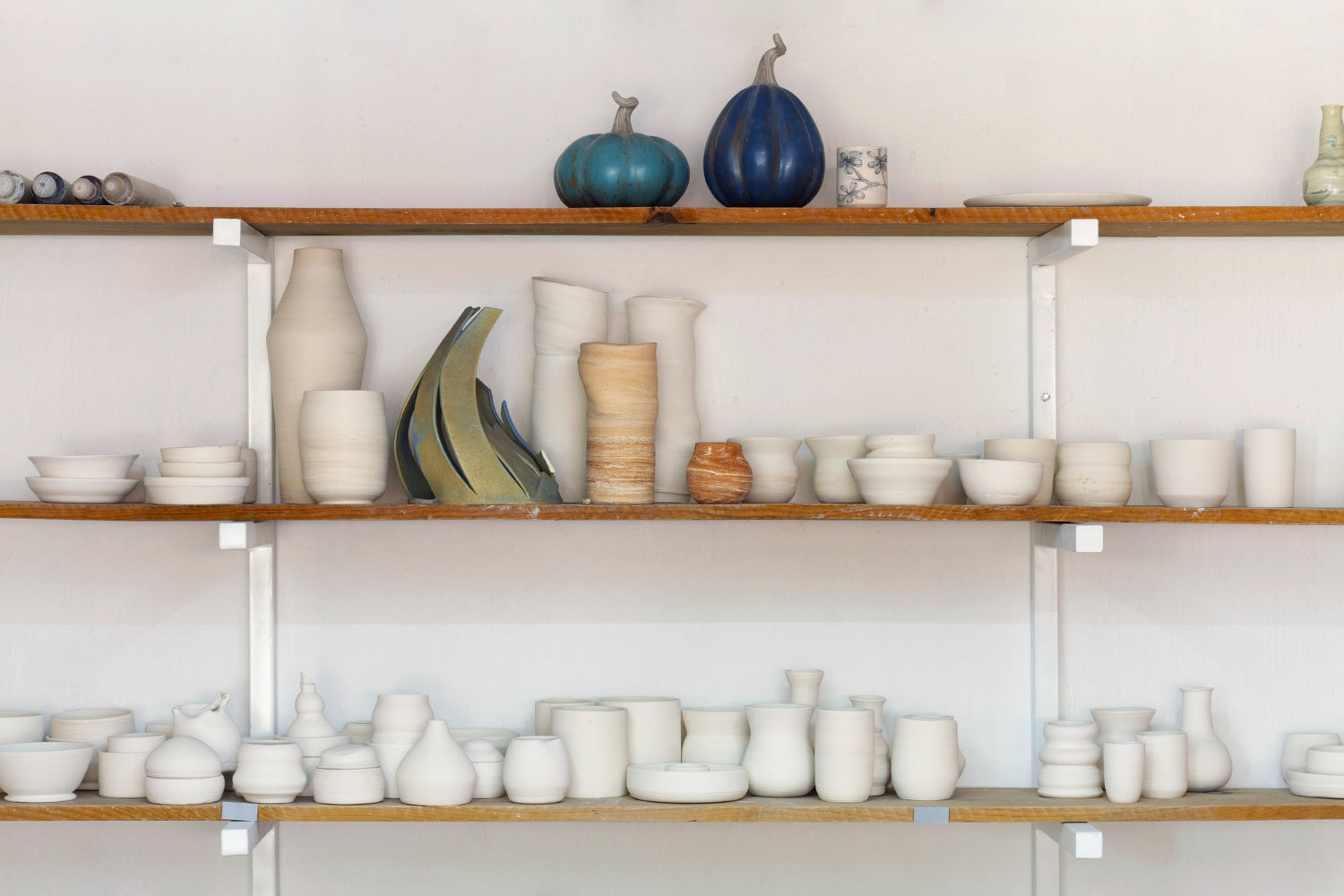
Minimalist Shelves That Actually Hold Up
Minimalist wood shelves are one of the easiest ways to clear visual clutter and get a room ready for everyday living and for guests. They open up a wall, give everything a place to land, and keep the room feeling calm instead of crowded. Done right, they look light, but they work hard every single day.
When we say minimalist, we are not talking about cold or empty. We mean clean lines, honest materials, and pieces that do their job quietly for years. A simple shelf should not sag, twist, or feel flimsy when someone sets down a stack of plates.
At The Mortise & The Hare, we build floating shelves and mantels from solid American hardwood, paired with serious mounting hardware. We fuss over the small details so you do not have to worry if that shelf above the range or beside the fireplace is actually safe.
Choosing the Right Wood for Minimalist Shelves
The first big choice is what the shelf is made of. A lot of mass-market shelves are MDF or particle board with a thin veneer on top. They look fine at first, then start to bow, chip, or swell. That is the world of fast furniture: pieces that are cheap to buy and quick to fail.
We work in solid Walnut, White Oak, Maple, and Red Oak because solid hardwood behaves differently:
- Solid hardwood holds screws and fasteners far better than MDF
- It resists sagging under real weight like books or dinnerware
- If it gets scratched, it can be sanded and re-oiled rather than tossed
That fits a minimalist mindset: fewer, better things you keep for a long time instead of replacing again and again.
Each species brings its own mood:
- Walnut has a rich, dark tone with lively figure, perfect for Mid-Century Modern or moodier minimalist rooms
- White Oak is incredibly versatile, great with light natural finishes for Scandi and Japandi spaces
- Maple and Red Oak stay lighter and brighter, which works well in small kitchens and bathrooms
Proportion matters too. A thicker shelf, around 2 to 2.5 inches, has more visual weight and feels a bit more Mid-Century. A slimmer profile, closer to 1.5 inches, reads quieter and suits Japandi or very pared-back rooms. Straight, crisp edges look strict and modern. Softened edges or a gentle round-over add a touch of handcraft without breaking the minimalist line.
The Hardware You Do Not See but Absolutely Need
Most people only notice the wood, but the hidden hardware decides if your minimalist wood shelves stay level or slowly droop. Standard two-prong rod brackets put all the stress on a few points in the wall. With real-life use, heavy plates, plants, kids bumping into things, those brackets can start to sag or tilt.
That is not just a style problem. In a busy home, a failing bracket under a heavy load is a safety issue. Minimalist design depends on that perfectly straight line. Once a shelf twists, the whole wall looks off.
This is why we use the Hovr Bracket System on our shelves and mantels. The Hovr Bracket System, both Classic and Slim, uses a male-and-female interlocking design in 6063-T6 aircraft-grade aluminum, not steel rods or pipes.
Here is how it works:
- The male bracket mounts to the wall and can span multiple studs
- The female bracket is embedded in a routed pocket inside the shelf
- The two slide together and lock with a set screw for a rigid, no-sag, no-tilt connection
On an 8-inch-deep Classic bracket, the average capacity is about 300 pounds. The Hovr Bracket System has been tested to be roughly 13x stronger than standard brackets, giving you true industry-leading strength. That strength is a real safety feature: it is designed to handle heavy dinnerware, massive book collections, and the normal bumps of daily life in busy households.
Because the wall bracket is continuous, you can fasten into any studs you find, even if they are not where you want the shelf edges. That solves the classic problem of trying to line up floating shelves in tricky spots like alcoves, above toilets, over ranges, or between windows where studs rarely land in the perfect spot.
Designing Minimalist Wood Shelves Room by Room
Minimalist wood shelves work differently in each room, but the idea is the same: clean storage that respects the architecture.
In kitchens, we like to keep shelves:
- A comfortable distance above the countertop and clear of the range hood
- Away from window trim so the wall still feels open
- Deep enough for plates and bowls, but not so deep they crowd the space
Style them with everyday dishes, glassware, and a few well-chosen objects instead of a dozen tiny items. Heavier pieces sit closer to the wall and near where you know there are studs. White Oak or Maple pairs nicely with Scandi and Japandi kitchens, while Walnut loves warm metals and Mid-Century cabinet lines.
In living rooms and alcoves, floating shelves can replace bulky bookcases. Between a fireplace and a side wall, we often size shelves for books in one zone and decor in another. Aligning the top shelf with the mantel height gives a calm sightline. Matching the mantel and shelves in the same hardwood pulls the whole wall together while still letting the grain be the star.
Bathrooms need calm and durability, especially with humidity. We like Maple or White Oak finished with a quality hardwax oil. Shelves over toilets or beside vanities stay shallower so the room still feels light and open. A small stack of folded towels, a couple of apothecary jars, and one plant is usually plenty.
Finishes and Installation Details That Make the Difference
Finish is what you see and touch every day. We favor hardwax oils like Rubio Monocoat and Osmo because they soak into the wood fibers and leave a matte, natural feel instead of a thick plastic layer. The grain still shows, and the shelf feels like wood, not a coated board.
Cheap polyurethanes often sit on top, can yellow over time, and may chip or peel. That look fights against the quiet, warm feeling most people want from minimalist wood shelves. With hardwax oils, you can do spot repairs and refresh high-use areas without stripping the whole shelf.
Low-sheen, natural finishes fit Japandi and Scandi rooms because they do not scream for attention. Deeper tones on Walnut or special treatments on White Oak work with Mid-Century palettes while still keeping the space from feeling heavy. We sand to higher grits for a silky touch, then lightly break the edges by hand so the shelf feels good when you run your fingers along it.
Installing floating shelves with a professional mindset starts with layout. Before anyone drills, it helps to:
- Measure and mark clear, level lines
- Use a stud finder and check for plumbing or wiring, especially in kitchens and baths
- Plan shelf spacing based on what will live there; books need more height than glasses
With the Hovr Bracket System, the male bracket is mounted across as many studs as possible using structural screws. The shelf is dry-fit onto the bracket to confirm everything seats cleanly. Then the female bracket slides onto the wall bracket, and a set screw locks the connection tight. Different wall types, like masonry, may call for different fasteners or help from a contractor, but the concept stays the same.
For long-term performance, it helps to think about load. Keep the heaviest items closer to the wall instead of floating out at the very front edge. Every so often, especially before big gatherings, it is smart to do a quick visual check, wipe the surfaces clean, and make sure those set screws are still snug. That way your minimalist wood shelves stay straight, safe, and ready for whatever daily life brings.
Elevate Your Space With Thoughtfully Crafted Shelving
Transform your walls into functional design features with our handcrafted minimalist wood shelves, built to highlight your favorite pieces without visual clutter. At The Mortise & The Hare, we carefully select hardwoods and finishes that blend clean lines with long-lasting durability. If you need help choosing sizes, layouts, or finishes for your home, contact us and we will walk you through every step.
Share:
Architectural Floating Shelves for Modern Kitchens
Designing Architectural Floating Shelves for High-Traffic Walls