


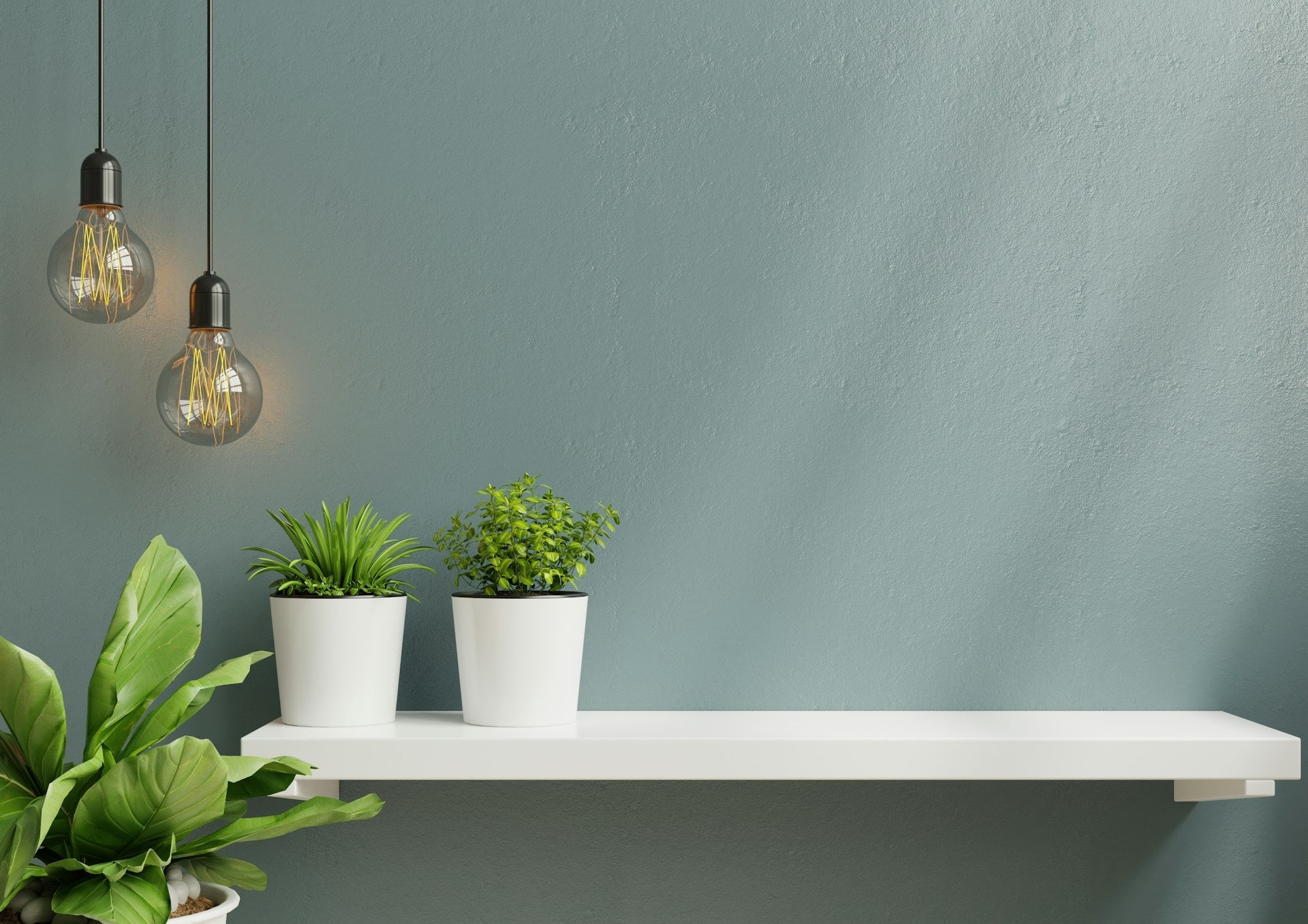
Scandinavian Calm, Real-World Strength
Scandinavian wood shelving looks calm and light, but in real life those shelves still have to hold heavy things. Cookbooks, stoneware, kids hanging on the edge, all of that puts real stress on the wall and the shelf. The trick is keeping that soft, minimal look while building something that will not sag or twist over time.
That is the balance we think about every day in our woodshop. We work with solid American hardwoods and pair them with the Hovr Bracket System so the strength is hidden inside the shelf, not hanging out under it. In this guide, we will walk through proportions, grain choices, and finishes that keep a Scandinavian look clean and quiet, while hiding serious hardware behind it, especially if you are trying to wrap up a late-summer project before holiday hosting starts.
Quiet Proportions That Look Effortless, Not Underbuilt
True Scandinavian shelving tends to look lean, not chunky. The eye wants a shelf that feels light enough to float but still solid enough that you trust it with a stack of plates. That starts with thickness and depth.
For most homes, we usually see:
- Thickness: around 1.5 to 2 inches for a clean, confident edge
- Depth: about 8 to 10 inches for kitchens and bathrooms, up to 11 inches for living rooms
- Span: matched to the load, shorter spans for heavy books, longer for light decor
If you are planning shelves for cookbooks or records, going toward the thicker end of that range keeps things looking intentional instead of flimsy, without drifting into “big slab on the wall.”
To hide hardware without fattening the shelf, we embed the female piece of the Hovr Bracket System into the hardwood itself. It disappears from sight, but it does set a real minimum thickness, since the bracket needs room inside the wood. Rod-style brackets often force one of two bad choices: either keep the shelf thin and accept sag over time, or make it extra thick to hide the rods. With Hovr, we can stay within that 1.5 to 2 inch sweet spot and still lock the shelf to the wall.
A few proportion pointers for different styles:
- Scandi and Japandi: leaner thickness, smaller depths, strong horizontal lines
- Mid-Century-inspired spaces: slightly beefier shelves that line up with door heads or cabinet tops
- Tall ceilings: thicker shelves or stacked runs so they do not get lost on a big wall
Designers planning a full wall of shelving often like to repeat one thickness across the room and vary only the length and spacing. That rhythm feels calm and helps the shelves look built-in instead of stuck on.
Choosing the Right Hardwood and Grain for True Scandi Calm
We insist on solid hardwood for our shelves, not veneers or MDF. When a shelf is only a simple rectangle on a wall, the material quality is doing most of the talking. Solid walnut, white oak, maple, and red oak have real end grain, real weight, and real strength for screws and brackets.
Compared with MDF or veneer over a soft core, solid hardwood gives you:
- Clean, honest edges with no wrapping or peeling
- Better screw holding for heavy loads like plates or books
- Less worry about hollow spots or hidden voids inside the shelf
For Scandinavian and Japandi looks, grain is just as important as color. Rift-sawn and quarter-sawn cuts give straighter, more consistent lines in the wood. That quiet grain keeps the shelf from competing with the tile, cabinets, or art around it. Rift- and quarter-sawn boards also move less across their width, which matters when you want a tight, tidy shadow gap at the wall instead of wavy lines.
Some favorite pairings:
- Rift white oak for pale, airy kitchens and open shelving near big windows
- Quarter-sawn red oak for a subtle, warm Mid-Century feel
- Select walnut for cozy, gallery-style living rooms and dens
Light and paint color also play a big role. White oak and maple stay bright in rooms with cool light and pale walls. In darker corners or north-facing rooms, walnut can help ground the space so it feels warm instead of washed out. As late summer turns toward shorter, darker days, many people lean toward slightly warmer grain so Scandinavian spaces feel calm, not cold.
Minimalist Finishes That Protect Without Plastic Shine
Finish choice can make a beautiful board look cheap or keep it feeling like real wood. We like hardwax oils such as Rubio Monocoat and Osmo because they soak into the fibers, then harden there. The wood still feels like wood when you run your hand along the edge.
Film finishes like some polyurethanes can sit on top in a thick layer and look a bit like plastic. They can be harder to patch too, since a repair often means sanding a larger area. Oiled shelves are easier to spot-refresh when life happens, which is helpful in busy kitchens and living rooms.
For a Scandinavian palette, we usually suggest:
- Clear or very light-toned oil on white oak to keep that pale, soaped-wood look
- Careful oiling on walnut so it deepens without going too dark
- Thoughtful products on maple to avoid a heavy amber shift if you want a cooler Nordic tone
A subtle white-toned oil on white oak can echo the look of traditional soaped floors and furniture without feeling painted. The goal is to protect the wood from splashes and fingerprints while letting the grain show through. We also pay attention to the edges. A tiny eased edge keeps the finish from chipping and feels soft to the touch, but still reads as crisp and modern.
Timing matters too. Late-summer installs are great because you can let shelves cure fully before loading them up for holiday cooking and guests. Giving the finish its full cure time before heavy use means better long-term protection.
High-Capacity Floating Shelves Without Visible Hardware
Hardware quietly decides what is possible. Traditional 2-prong rod brackets tend to sag or tilt under real loads, especially over longer spans. That slow droop breaks the straight Scandinavian line along the wall.
We rely on the Hovr Bracket System, both Classic and Slim, as our standard for floating shelves. It is made from 6063 T6 aircraft-grade aluminum and uses a male/female interlocking design. The male bracket mounts across the wall and into multiple studs. The female bracket is embedded into the back of the shelf. Once you slide the two together and tighten the set screw, the shelf and bracket act as one rigid unit that carries an industry-leading strength rating and comes with a true No-Sag Guarantee.
The Classic Hovr bracket, at an 8-inch shelf depth, is designed for an average load of about 300 pounds. That makes it 13x stronger than standard brackets. In real life, that means:
- Full rows of stoneware plates and bowls
- Stacks of heavy cookbooks or art books
- A safe place for families with kids and busy kitchens, without worrying about tilt or droop over time
That rigid, interlocking connection simply cannot sag or tilt the way 2-prong rod brackets do, which is a major safety feature when you are storing heavy dinnerware or building out a wall for massive book collections.
Another big advantage is layout freedom. The wall-mounted male bracket lets you hit studs wherever they are, then place the shelf exactly where the design calls for it. A typical install flows like this: mark level lines, secure the male bracket into studs, test-fit the shelf on the female bracket, then lock it in place with the set screw. In older homes or plaster walls, planning ahead with your contractor for blocking or shims can keep everything straight while still hiding every fastener from normal view.
Styling Scandinavian Wood Shelving for Every Room
Once the shelves are up, styling brings the whole room together. In kitchens, Scandinavian wood shelving works best when it feels both pretty and practical. Many people like to mix daily-use items with a few sculptural pieces.
For example:
- Everyday plates, bowls, and glasses stacked within easy reach
- Coffee gear or a tea setup grouped on a single shelf
- Two or three special objects, like a vase or a wooden bowl, with breathing room around them
Shelf height matters here as well. Lines that relate to upper cabinets, range hoods, or window heads usually feel calmer than shelves floating at random heights. And when you trust the hardware, you do not have to baby the shelves. Heavy pottery, mixers, or pitchers can live there without worry.
In living rooms and dens, long runs of Scandinavian wood shelving can replace bulky built-ins. You can create a light storage wall that still holds books, framed art, and speakers. Try balancing shelves with:
- One third books, one third art, one third open space
- Repeating materials like oak, linen, and black metal across the wall
- Seasonal layers, keeping things airy in late summer, then adding textiles and warm tones as weather cools
Bathrooms and niche spaces are where narrow rift-sawn shelves really shine. They give you a place for towels, candles, and a plant without the bulk of a cabinet. Solid hardwood and the right finish matter even more around moisture, and concealed brackets keep the look calm. In entries and mudrooms, one long floating shelf for keys, baskets, and art can feel almost weightless but still stand up to daily use.
Done right, Scandinavian wood shelving is not fragile or fussy. With thoughtful proportions, calm grain, minimal finishes, and hidden, high-capacity brackets with a no-sag guarantee, those simple lines can stay straight, strong, and beautiful for decades.
Elevate Your Space With Thoughtfully Crafted Shelving
Transform your walls into functional, calming displays with our handcrafted Scandinavian wood shelving. At The Mortise & The Hare, we carefully select hardwoods and finishes that complement modern, minimalist interiors while adding warmth and character. If you are planning a new project or updating an existing room, we can help you choose the right dimensions, wood species, and layout. Have questions or need a custom size, reach out and contact us so we can talk through the details together.
Share:
Custom-Depth Kitchen Wall Shelves: Plan Clearance, Sightlines, and Workflow
Custom-Depth Kitchen Wall Shelves: Plan Clearance, Sightlines, and Workflow